
Colon Polyps: How They Form and Why They Matter
- Odigent Team

- Jan 8
- 2 min read
Colon Polyps, the APC Gene, and Colon Cancer: What’s Really Happening Inside the Colon
Colon Cancer Plays the Long Game.
Colon cancer does not appear overnight. In the vast majority of cases, it begins quietly with polyps, small abnormal growths that form along the inner lining of the colon. Understanding how polyps develop, why the APC gene matters, and how improved detection can change outcomes is central to preventing colon cancer before it starts.
What Are Colon Polyps?
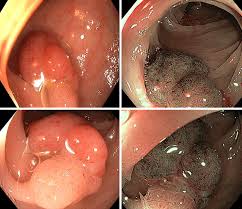
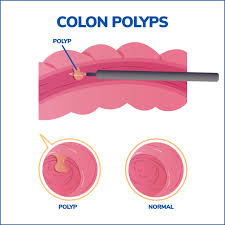
Colon polyps are clusters of cells that grow from the mucosal surface of the colon. Most are benign, but certain types, particularly adenomatous polyps, are considered precancerous. These polyps can grow slowly over many years, accumulating genetic damage that increases the risk of transformation into colon cancer.
Polyps rarely cause symptoms. That silence is exactly what makes them dangerous.
How Polyps Form at the Cellular Level
The colon lining constantly renews itself. Old cells die, new cells replace them, and the process is normally tightly regulated. Problems begin when key control mechanisms fail.
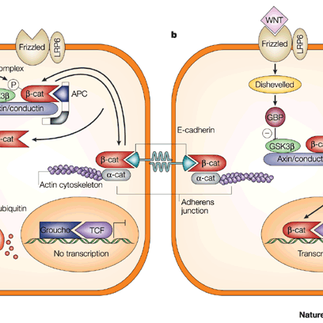
One of the earliest and most important failures involves the APC gene. APC acts as a tumor suppressor, regulating cell division and helping eliminate damaged cells. When an APC mutation occurs, cells lose that control. Instead of stopping or self-destructing, abnormal cells continue dividing. This unchecked growth forms a polyp.
Over time, additional mutations can accumulate, affecting DNA repair, apoptosis, and cell signaling pathways. As these changes stack up, the risk that a polyp progresses into colon cancer rises dramatically.
The Polyps–Colon Cancer Progression
Nearly all colorectal cancers begin as polyps. This progression typically follows a slow, stepwise pathway:
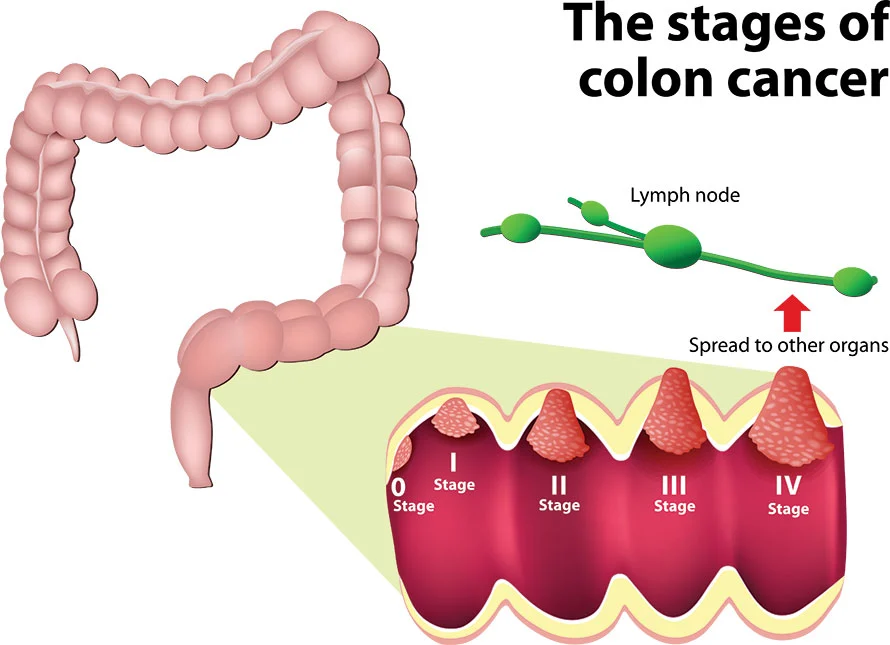


Normal colon tissue
APC mutation and early polyp formation
Polyp growth and structural change
Accumulation of additional mutations
Invasive colon cancer
This process often takes 10 to 15 years, creating a powerful window for prevention if polyps are detected and removed early.
Why Colon Cancer Detection Is Still a Problem
Standard colonoscopy is effective, but not perfect. Flat polyps, subtle lesions, and areas hidden within folds of the colon can be missed. Detection quality varies based on technique, visibility, and human factors.
Missed polyps mean missed opportunities for prevention.
This is where innovation matters.
Odigent’s Potential Role in Better Colon Scanning
Odigent is focused on advancing how clinicians see and assess the colon, not just whether they look. By improving visualization, spatial mapping, and data capture during colon evaluation, Odigent’s approach aims to help physicians identify subtle polyps that might otherwise go undetected.
The goal is not to replace colonoscopy, but to enhance it:
Better surface coverage
Improved detection of flat or early-stage polyps
More consistent, data-driven scanning outcomes
Earlier, more accurate detection of polyps, especially those driven by APC mutation pathways, directly translates into lower colon cancer risk.
The Bottom Line
Colon cancer is largely preventable because it almost always begins as a polyp. Polyps form when cellular control mechanisms, often involving the APC gene, break down over time. The longer these changes go unnoticed, the higher the risk.
Better detection means earlier intervention. Earlier intervention means fewer cancers.
That’s the leverage point, and that’s where Odigent is focused.

Comments